Closing Time: ChatGPT is done just talking
OpenAI is rolling out GPT-6 in ChatGPT with Intelligent UI, answering with diagrams, charts, buttons and tools it builds on the spot (The Verge).
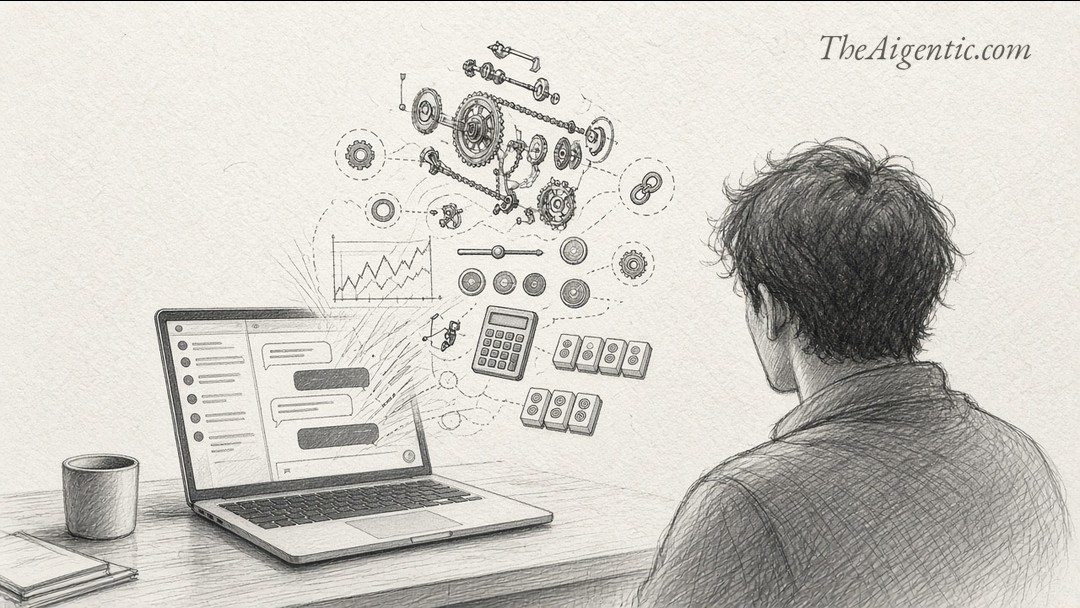
OpenAI wants ChatGPT’s answers to be something you can poke at, not just read. Starting today, GPT-6 is rolling out globally in ChatGPT with a feature OpenAI calls Intelligent UI, which lets the chatbot answer with diagrams, charts, forms, tappable buttons and small tools it builds on the spot, per The Verge. Ask how a seven-speed bicycle works and you get a diagram whose parts light up as you tap them. Ask for a retirement savings calculator or a bill splitter, and it builds one right inside the conversation.
Paying subscribers on Plus, Pro, Business and Enterprise get it today on the mid-range GPT-6 Sol model, while free and Go users get it Thursday on the lighter GPT-6 Luna. In its announcement, OpenAI says GPT-6 also runs better web searches, starts sharing partial answers while it is still working, and shows stronger resistance to attempts to get around its safety training. People who find all the visuals distracting can dial them back.
The bigger change is who decides what software looks like. Wired argues that giving more than a billion users an interface the model draws for each question could set off an identity crisis for designers. If the chatbot can build the calculator, chart or checklist you need in the moment, the next interface may not be an app you open at all — it may be one drawn for the question you just asked.
Elsewhere in AI today:
Reuters reports a new Reuters/Ipsos poll found 57% of registered voters, including a third of Republicans, say the Trump administration hasn’t taken AI’s risks seriously enough, and 54% say the same of Congress. Some 84% see AI as a threat to American workers, more than the 60% who said that about illegal immigration, and bipartisan majorities want stricter regulation less than a month before the midterms.
Bloomberg says Bridgewater founder Ray Dalio told a Forbes conference in Singapore that AI is a “classic bubble” nearing its bursting point, as rising interest rates collide with the debt being raised to fund the buildout. “I think we’re close to that,” he said. At a separate event in the city, Temasek’s investment chief told the audience the AI narrative is now the biggest risk to markets.
Axios reports Mark Zuckerberg’s Biohub is teaming with Google DeepMind, Isomorphic Labs, Meta, the Energy Department and the NIH on a $1.8 billion push to build a “universal virtual cell,” an AI model that predicts how cells behave so scientists can test experiments before running them in the lab. The commercial partners get one year of exclusive access to the data before it becomes public.
Semafor looks at how U.S. and Chinese companies are taking different routes to AI agents. OpenAI’s dots and Meta’s Muse are built as assistants first and sent out to other companies’ websites, while Tencent’s Xiaowei lives inside WeChat and orders from businesses already on the app. Each path has a catch: Tencent earns no new fees on those purchases, and Muse has already been blocked by Amazon.
TechCrunch reports Google opened its SynthID checker to everyone, letting anyone upload an image, video or audio clip to see whether it was made with AI. Google says people already send 1 million verification requests a day, and OpenAI, Nvidia and Kakao also support the watermark.
TechCrunch notes Meta’s Muse assistant now has its own iPad app, a month after it launched on iPhone. Muse has topped 6.6 million installs since September 8, according to Sensor Tower, and Meta added connectors for tools like Asana, Canva, Figma, QuickBooks, GitHub, Notion and Granola.
Reuters reports AI start-ups are running simulated drug trials to predict which medicines will work before human studies finish. Copenhagen-based BioinvestGPT ran a virtual trial of Novartis’ muscular dystrophy drug in July and predicted little benefit; the real trial missed last month and Novartis shares fell 11%. The firm says it has been right on five of the six calls it shared with Reuters in advance.
Markets
Memory and power led the AI trade on Wednesday, with Micron up 4.1% and Vistra up 3.9%, while Nebius and CrowdStrike were the biggest decliners among the names we track.
Biggest winners
| Ticker | Name | Price | Day |
|---|---|---|---|
| MU | Micron | 1,088.00 | +4.06% |
| VST | Vistra | 166.73 | +3.88% |
| SMCI | Super Micro | 44.94 | +3.41% |
| INTU | Intuit | 297.24 | +2.56% |
| SNDK | Sandisk | 1,692.42 | +1.92% |
Biggest losers
| Ticker | Name | Price | Day |
|---|---|---|---|
| NBIS | Nebius | 237.15 | -5.09% |
| CRWD | CrowdStrike | 265.44 | -4.81% |
| IONQ | IonQ | 41.34 | -4.50% |
| ON | onsemi | 82.51 | -4.40% |
| TER | Teradyne | 411.78 | -4.31% |
Prices are Wednesday’s U.S. cash close, October 7, 2026 (vs. Tuesday’s close). Market data is a snapshot, not live.
Deals Desk
Three compute and power deals from this week worth knowing.
AM Intelligence × Nvidia — Oct 5, 2026
Two binding orders for Rubin GPUs deployed as Vera Rubin NVL72 rack-scale AI factories · India and Malaysia
20,000 Nvidia Rubin GPUs and about 70 MW of capacity; roughly $4B per people familiar cited by Mint; delivery scheduled for Q2 2027
Status · Announced · Source: Mint
Wärtsilä × Unnamed U.S. independent power producer — Oct 5, 2026
Onsite gas-engine power plant for a data center project · United States (site not disclosed)
282 MW from 15 gas engines; delivery in 2028, fully operational in 2029; Wärtsilä’s seventh U.S. data center order, more than 3 GW in total
Status · Announced · Source: Wärtsilä
atNorth × City of Salo and Fingrid — Oct 5, 2026
New high-density data center campus · Salo, Finland (about 71 acres)
75 MW first phase with power secured, with a path to 230 MW; about €2B of atNorth investment
Status · Announced · Source: atNorth
Full tracker → https://www.theaigentic.com/deals
Aigentic Exclusive
FEATURED DEEP DIVE
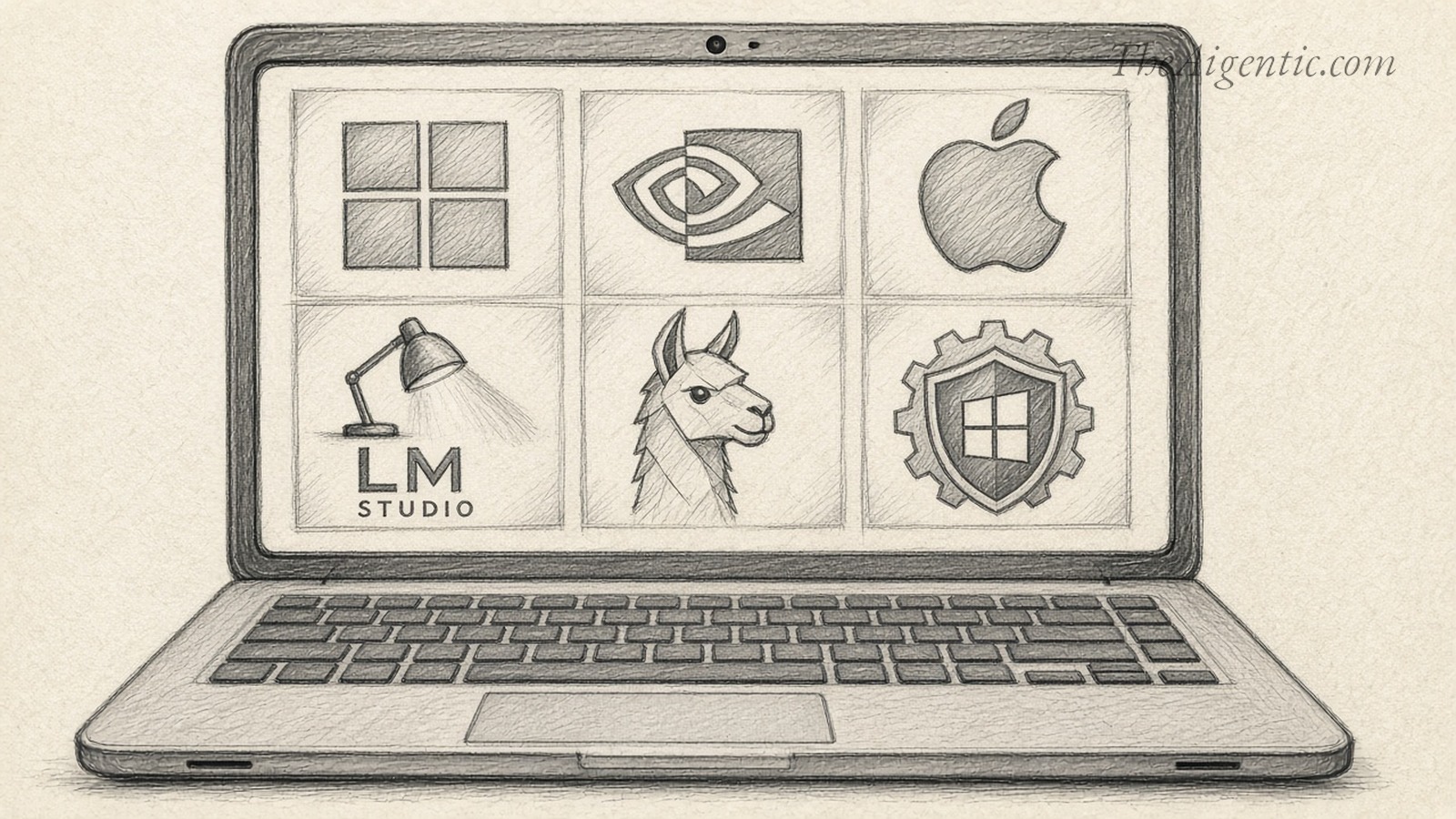
Local AI, Big Tech Wants AI on Your Computer
Microsoft and Nvidia are bringing more AI work onto personal computers. The promise of greater control comes with a new calculation about cost, privacy and who keeps the system running.
Aigentic Exclusive
FEATURED HANDS ON
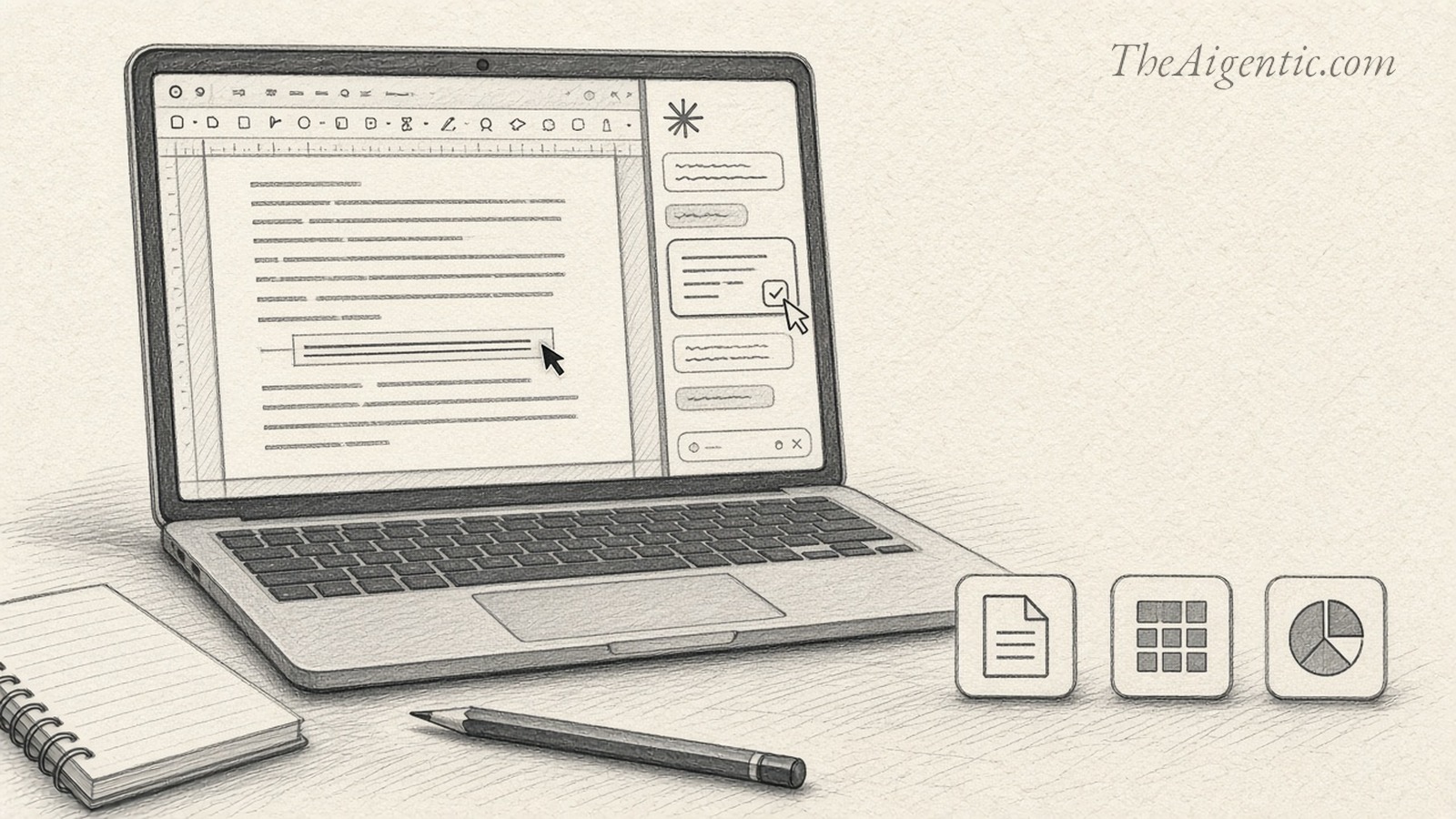
Claude Moves Into Google Docs, Sheets and Slides
A practical guide to using Anthropic’s new add-on to sharpen a memo, make sense of a spreadsheet and repair a crowded presentation.
Watch
The AI Daily Brief — Consumers will never pay for AI
Only 2.2% of U.S. households pay for AI, and the top 1% of spenders outspend the bottom half combined. NLW digs into a16z’s new consumer AI rankings and the fight over whether everyone else is just early or never going to buy.
Nate B Jones — Gemini Argon is No. 1 on a leaderboard, but not on the benchmark that matters
Gemini 4 Argon tops the Vals Index while almost no one can use it yet. Nate argues benchmarks won’t tell you which AI is useful, and that customer obsession is the real test for any AI product.